Why Bigger Strimmer Cord Isn’t Always Better
A strimmer is one of the most versatile garden tools, but its performance depends heavily on the cord you use. Many people overlook the importance of strimmer line, yet choosing the right size, using it correctly and storing it properly can make a huge difference to both the quality of your cut and the lifespan of your machine.In this guide, we’ll cover the different strimmer cord sizes, explain why bigger isn’t always better, and share tips on how to get the best results from your strimmer.
Sizes Explained
Strimmer cord comes in a range of diameters, usually between 1.3 mm and 4 mm. Each size has its own strengths and is suited to different types of work.
- 1.3 mm – 2.0 mm (Light duty)Best for trimming lawn edges and light grass. This size gives a clean, neat finish and is ideal for smaller gardens.
- 2.0 mm – 2.7 mm (Medium duty)A good all-round option for most domestic gardens. Strong enough to handle thicker grass and light weeds, while still leaving a tidy cut.
- 2.7 mm – 3.3 mm (Heavy duty)Designed for tougher jobs such as thick weeds, nettles and rougher ground. More durable, but the finish is less precise.
- 3.3 mm – 4.0 mm (Professional/industrial use)Very thick cord, used for heavy vegetation and commercial work. Not suitable for most domestic strimmers.
Why Bigger Isn’t Always Better
It’s easy to assume that a thicker cord will always perform better, but that’s not the case.
- Engine strain: Larger diameter cord is heavier and creates more air resistance. This means your strimmer’s engine has to work harder, which can cause the head to spin more slowly. The result is reduced cutting efficiency and extra wear on the motor.
- Finish quality: Thicker cord tends to tear through grass rather than slicing it cleanly. This often leaves a rougher, less tidy finish compared to thinner line.
- Machine compatibility: Every strimmer is designed to work with specific cord sizes. Using a cord that’s too thick can damage the machine or reduce its lifespan. Always check your manufacturer’s recommendations before changing cord size.
The key is to balance durability with cutting quality. For most home gardeners, a medium-sized cord (around 2.0 mm – 2.7 mm) is the best choice.
How to Use Strimmer Cord Correctly
Even with the right cord, technique matters. A few simple habits will help you get the best results:
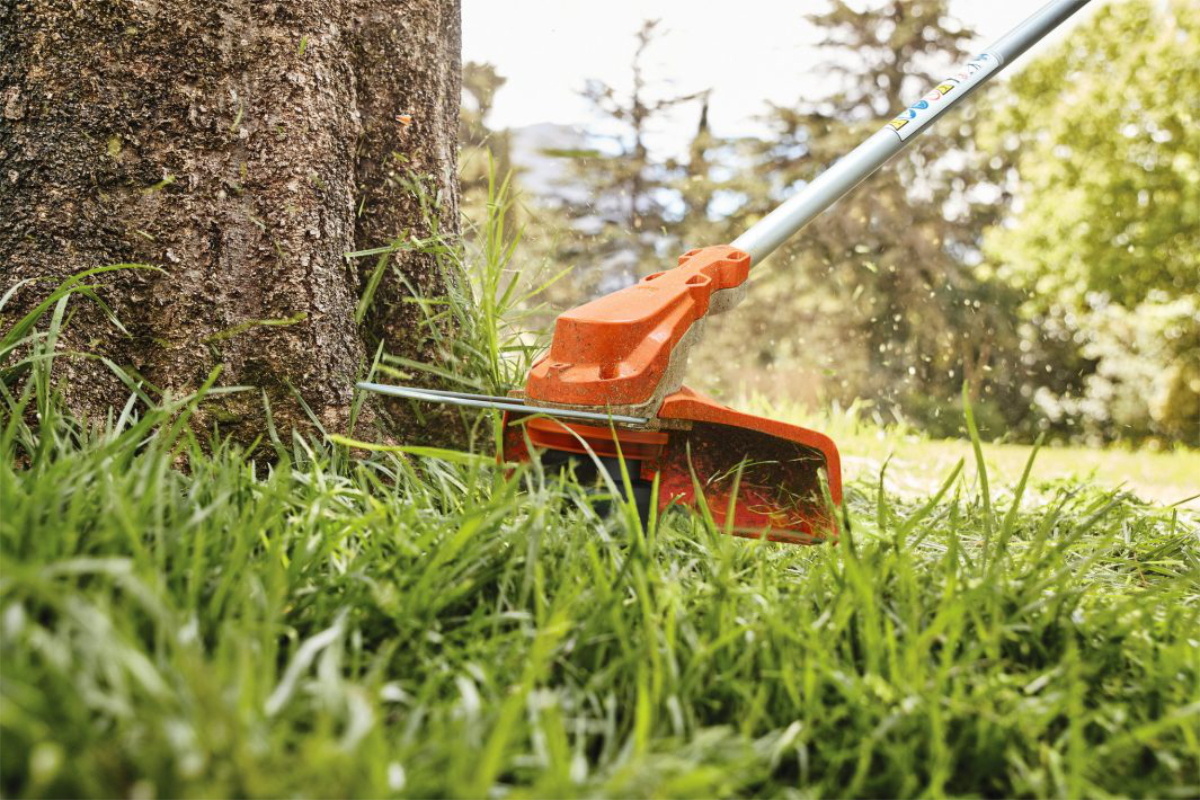
- Cut with the tip of the cord: The very edge of the line does the cutting. Pressing the middle of the cord against grass or weeds will wear it down quickly and reduce performance.
- Avoid forcing the strimmer: Let the cord do the work. Pushing too hard will only shorten the life of the line and strain the motor.
- Use only recommended attachments: Never fit aftermarket blades or accessories that aren’t designed for your strimmer. These can be unsafe and may cause serious damage to your machine.
How to Store Strimmer Cord for Longer Life
Strimmer cord is usually made from nylon, which can dry out and become brittle if not stored correctly. A few simple steps will keep it in good condition:
- Keep it submerged in water: Storing your cord in a container of water helps it stay flexible and less prone to snapping.
- Avoid direct sunlight: Prolonged sun exposure will cause the cord to harden and break more easily. Store it in a cool, shaded place when not in use.
- Buy in the right quantity: If you only use your strimmer occasionally, avoid buying very large spools of cord. Smaller packs are easier to store and less likely to degrade before you use them.
Final Thoughts
Choosing the right strimmer cord is about more than just thickness. Bigger isn’t always better — in fact, using cord that’s too large can slow your machine down, reduce cutting quality and even shorten the life of your strimmer.
For most gardeners, a medium-sized cord offers the best balance between durability and a clean finish. Combine this with the right cutting technique and proper storage, and your strimmer will stay reliable and effective for years to come.
Need a new spool of strimmer cord? Get yours here!